
Kitchen Sponge Alternatives: What to Use Instead of Sponges

Updated: Feb 14
Home / All posts / Kitchen & Dining / Kitchen Sponge Alternatives: What to Use Instead of Sponges

Many people want to move away from traditional kitchen sponges – whether to reduce plastic waste, avoid microplastics, or find longer-lasting cleaning tools.
This guide covers the best kitchen sponge alternatives, from dish brushes and reusable cloths to plant-based scrubbers and silicone tools, so you can choose the right replacement for everyday dishwashing without sacrificing performance.
Why Choose a Kitchen Sponge Alternative?
Many people switch to a kitchen sponge alternative because traditional sponges trap bacteria, shed microplastics, and wear out quickly. Alternatives like dish brushes, reusable cloths, and natural scrubbers are easier to clean, last longer, and are often plastic-free.
Importantly, dish washing alternatives are usually made from sustainable materials and tend to be more durable, which makes them a more environmentally friendly solution for everyday cleaning.
Best Dishwashing Sponge Alternatives: Top Picks
Here are four main types of alternatives to kitchen sponges that I found the most interesting and eco-friendly:
Dish brushes and pot scrubbers (wood / plant bristles)
Made from bamboo, coconut, and sisal, these brushes and scrubbers are perfect for a sustainable kitchen. Durable, naturally antibacterial, reusable for many years, and compostable at the end of their lives, they are a great option if you are used to brushes.

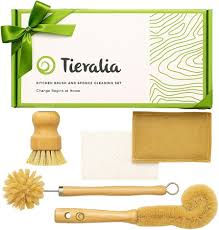


Eco-Friendly Bamboo Pot Scrapers
Made from fast-growing bamboo, pot scrapers are a durable and plastic-free kitchen sponge alternative for removing stuck-on food without scratching cookware. They last much longer than traditional sponges, don’t trap odors, and are fully compostable at the end of their life, making them a simple and effective.


Reusable Cotton, Bamboo & Cellulose Dish Cloths
Made from cotton, bamboo, and cellulose, reusable dish cloths are a highly absorbent and long-lasting kitchen sponge alternative for everyday cleaning. They dry quickly, are easy to wash, and can be reused hundreds of times, making them a hygienic and eco-friendly sponge alternative for wiping surfaces and washing dishes without plastic waste.


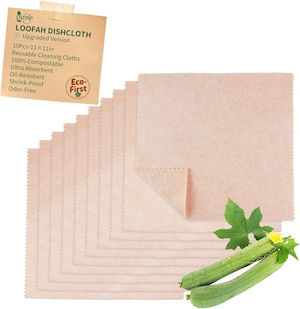

Natural Fiber Scrubbers and Scrub Pads for Dishes from Bamboo, Loofah Hemp and Organic Cotton
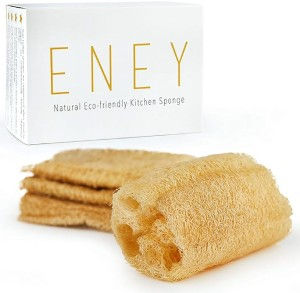
A very healthy alternative to dishwashing sponges is natural scrubbers made from plant fibers. Hemp, cotton, bamboo, and loofah are ideal materials for eco-friendly dish washing sponge alternatives. Pleasant to touch, 100% compostable, long-lasting, and natural-looking, these products make a real difference.



How to Choose the Right Dish Washing Sponge Alternative
When choosing the right kitchen sponge alternative, focus on three things: material, hygiene, and durability. Look for options made from natural or plastic-free materials that won’t shed microplastics or release chemicals when wet. The best alternatives should dry quickly, be easy to clean, and resist odors or bacterial buildup. Durability also matters – a tool that lasts for months or years creates far less waste than disposable sponges, making it both a more practical and more sustainable choice.
A fourth factor is your habits and how you like to clean. Some people are used to washing dishes with brushes, while others prefer sponges or cloths – and there are sustainable alternatives for each approach. Different tools also suit different tasks: brushes are especially good for dirty pans and bottles, while sponges and cloths work better for plates, cups, and everyday dishwashing.
Author's Take on Sustainable Dishwashing Sponge Alternatives
I have a very old set of bamboo dishwashing brushes, very similar to the Jungle Brushes ones. They are in perfect condition and will easily last for many more years. They’re great for bottles and pans that I don’t clean every day. Sometimes I also use them to clean the kitchen sink or even surfaces.
For surfaces, my go-to product is a bamboo dishcloth which is naturally antibacterial, easy to clean and quick to dry. I'm a huge fan of bamboo products from toilet paper to kitchen utensils, so this one was an easy choice :)
For everyday use, even though I love how loofah and hemp sponges look and feel, I prefer more affordable options without giving up sustainability. So for daily dishwashing, I choose relatively inexpensive non-toxic, plant-based kitchen sponges. The difference in performance is not dramatic.
And by the way, to complete the picture, I use an eco-friendly dish soap bar instead of a toxic liquid dishwasher detergent and for machine dishwashing I use dishwasher pods without plastic.
Frequently Asked Questions on Kitchen Sponge Alternatives
How sanitary are kitchen sponges?
Traditional kitchen sponges are one of the least sanitary cleaning tools. Their porous structure traps food, moisture, and bacteria, creating ideal conditions for microbial growth. Even when rinsed, sponges often stay damp, which allows bacteria to multiply quickly. That’s why many people prefer alternatives to kitchen sponges that dry faster and are easier to clean.
How do you take care of brushes and cloths so they last longer?
Rinse brushes and cloths thoroughly after use and let them dry completely between washes. Dish brushes should be stored upright so water can drain away, while cloths should be wrung out and hung to air-dry. Washing cloths regularly in hot water helps remove grease and bacteria and extends their usable life.
Are there biodegradable sponges?
Yes, but not all sponges marketed as biodegradable truly are. Some contain plastic binders or synthetic fibers that prevent full breakdown. The safest options are sponges made from pure plant-based materials like cellulose, loofah, or wood pulp, with no plastic reinforcement or chemical coatings.
What can you use instead of a kitchen sponge?
Popular kitchen sponge alternatives include dish brushes, reusable cotton or bamboo cloths, loofah scrubbers, coconut-fiber pads, and bamboo pot scrapers. These options are often more hygienic, longer-lasting, and available in plastic-free or compostable versions.
How often should you throw out a sponge?
A conventional sponge should be replaced every one to two weeks, or sooner if it smells, stays slimy, or shows visible wear. Alternatives to kitchen sponges like brushes and cloths last much longer and only need replacing when they physically wear out.
Are sponge alternatives more eco-friendly?
Most sponge alternatives are more sustainable because they last longer and are often made from renewable or compostable materials. Replacing disposable plastic sponges with durable tools reduces both waste and the need for constant repurchasing.
Do sponge alternatives clean as well as sponges?
Yes. Brushes are excellent for stuck-on food and bottles, while cloths and natural scrubbers work well for plates, cups, and surfaces. Using the right tool for each task often gives better results than relying on a single sponge.
Finally, not everything is best cleaned with a dish sponge or a brush – sometimes a paper towel or a microfiber cloth works better. In those cases, choose reusable or compostable options that are safer for both your home and the environment.
#️⃣ Tags: Green cleaning, Bamboo products


Don't buy anything. This article is literally just trying to get you to click on their links so they make a commission and keep you wasting stuff. Just use rags cut up from threadbare towels, cotton t-shirts, etc. If you need to scrub something, first sprinkle kosher salt on it. If it's a bigger deal, sprinkle baking soda on it and make a little paste from it and let it sit. Literally no reason to buy all this crap.
Hm, thanks for the hemp sponges! I tried them and was pleasantly surprised. They work well, do their job, dry fast but what I love the most - is their "granny" vibe. Feels like they were handmade by a loving grandma and it reminds me of a happy childhood.
Loofah is my love nr one. I even use them as a soap dish in my bathroom - pretty, eco-friedly, long-lasting and dries quickly.