
15 Best Non Toxic Kitchen Sponges: What's Actually Safe to Use

Updated: Feb 14
Home / All posts / Kitchen & Dining / 15 Best Non-Toxic Kitchen Sponges: What’s Actually Safe to Use

Many kitchen sponges are treated with dyes, plastics, or chemical additives that don't belong near food. In this guide, I review 10 non-toxic kitchen sponges made from natural, biodegradable, or plant-based materials, explain what actually makes a sponge non-toxic, and help you choose a safer option for everyday dishwashing.
When somebody says "kitchen sponge," I still immediately picture a yellow polyurethane foam sponge with a dark green scouring pad. It was an irreplaceable element in my kitchen for so long.
Too long!
We often get used to these everyday products and don't realize that by sticking to them, we harm the environment because both their production and utilization are planet-UNfriendly.
An additional problem with scrub sponges is their short "career" - two to three weeks and then off to the landfill where they slowly and painfully decompose, releasing harmful substances. Brr...
Best Non-Toxic Compostable Dish Sponges. My Top Picks:
It's no surprise that eco-friendly alternatives are gaining popularity. Options like biodegradable cellulose kitchen sponges made from wood fibers, reusable cloth sponges, and scour pads made from natural materials like coconut or hemp are popping up in stores. And they are not just nature-friendlier. They also look and feel more pleasant and natural.


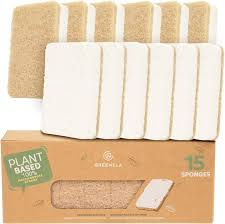


Natural Non Toxic Sponges and Scrubbers for Dishes from Bamboo, Loofah Hemp and Organic Cotton
If you want your kitchen look even more cozy, consider these natural-looking dish sponges and scrubbers. They are compostable, biodegradable and perform their job just fine. On average they are more expensive, but JOYMOOP and eplanita offer quite affordable options - less then $2 per unit.


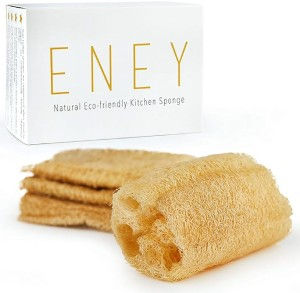

Additionally, there are plenty reusable kitchen sponge alternatives like bamboo brushes, scrapers and dish cloth from natural fibers that work perfectly well and make a great choice for a sustainable kitchen.
Beware of Non-Compostable Cleaning Sponges
Important note! Some sponges for dishes are labeled as eco-friendly and claim to be made from recyclable materials (often still plastic), but this doesn’t mean they are biodegradable or compostable. While they're better than traditional toxic sponges, they may still end up in landfills and pollute the environment for centuries.
For example:
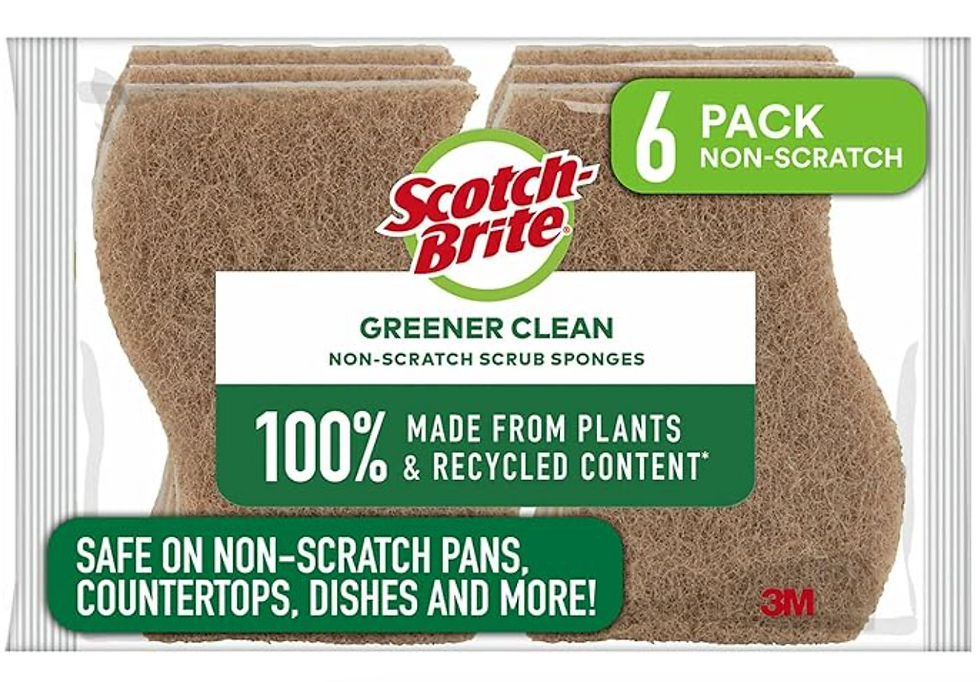 | Scotch-Brite Greener Clean Scrub Sponges ❌ Not compostable! ❌ Plastic packaging! |
Author's Take on Non Toxic Sponges
Choose according to shape, color, and price :) I prefer the rectangular one with natural colors. It's more efficient to produce, making it more eco-friendly. Additionally, it looks natural and enhances the overall sustainable look and feel of the kitchen. Lately I've been using Greenzla sponges. They are nice, not expensive and do their job. The Scrub-it dish sponges – are the cheapest option, priced at only $0.87 per unit.
I don’t wash all dishes manually. For large amounts of dishes and pots, I use a dishwasher in combination with chemical-free dishwasher pods. But even then, sponges are handy every day for quickly rinsing a cup or cleaning the sink or table.
Natural vs Biodegradable Sponges: What's the Difference?
“Natural” refers to the source of the material, while “biodegradable” describes what happens to it after use. Natural sponges are made from plant or animal materials such as cellulose, loofah, or sea sponge. However, natural does not automatically mean biodegradable in real-world conditions – some are chemically processed, dyed, or reinforced with synthetic fibers that slow or prevent decomposition.
Biodegradable sponges are designed to break down over time, but this label can include industrial biodegradation only and may still involve additives or plastic binders which cause microplastics. The most reliable option is a compostable sponge – made from natural, biodegradable materials with no synthetic reinforcement.
Are Sustainable Kitchen Sponges Really Non-Toxic?
Not always. "Sustainable" often refers to environmental impact, not chemical safety. A sponge can be made from renewable materials and still contain dyes, antimicrobial treatments, or plastic fibers that release microplastics during use.
To be truly non-toxic, a dish sponge should be free from synthetic dyes, plastic blends, antimicrobial coatings, and chemical softeners. Look for clear material disclosure and simple compositions rather than vague sustainability claims. In practice, the safest non toxic sponges are those made from untreated plant-based materials with no added chemicals.
Sustainability and non-toxicity only overlap when transparency is high.
Frequently Asked Questions About Eco-Friendly Kitchen Sponges
What materials are eco-friendly sponges for dishes made from?
Eco-friendly sponges are typically made from natural and renewable plant-based materials such as cellulose (derived from wood pulp), loofah, coconut, or hemp fibers. These materials have a lower environmental impact compared to synthetic sponges made from plastic or polyester.
How long do eco-friendly sponges last compared to traditional ones?
Eco-friendly sponges generally have a comparable lifespan to traditional sponges, often lasting several weeks depending on usage. Sponges and scrubbers made from natural fibers like loofah or hemp may last slightly less.
How to make a scrub sponge last longer?
To extend the life of your scrub sponge, rinse it thoroughly after each use. Keep it dry to prevent bacteria growth, and store it in a well-ventilated area. You can also sanitize your sponge periodically by boiling it, microwaving it (when wet), or soaking it in a vinegar or hydrogen peroxide solution.
Do eco-friendly sponges resist bacteria and odors?
If kept dry and regularly sanitized, eco-friendly sponges are quite resistant to bacteria and odors. Materials like cellulose and loofah have a lot of air between fibers, which helps them dry quickly and prevents bacteria growth and odors.
Can eco-friendly sponges be recycled?
Most eco-friendly non toxic sponges are plant-based and not suitable for conventional recycling. Some sponges made from recycled plastic materials may be partially recyclable but might need to be taken to a special facility. Always check the manufacturer's guidelines for proper disposal options.
Can sponges be composted?
Yes, that’s the main advantage! Plant-based eco-friendly sponges can and should be composted. They will break down in a composting environment, returning to the soil without leaving harmful residues.
Are these sponges safe for use on all surfaces?
Yes, most eco-friendly dish sponges are safe for use on various surfaces, including non-stick cookware, glass, and countertops. However, always check the packaging for specific recommendations and test on a small, inconspicuous area first, especially with more delicate surfaces.
And last but not least, not everything can be cleaned with a dish sponge. Sometimes a paper towel or a cloth is more handy. Make sure you choose sustainable options that are great for both the environment and your household.
#️⃣ Tags: Green cleaning


I love the loofah sponges! I use them for everything in my home, not only in the kitchen. I even use them as a soap dish - eco-friendly, light, cheap and cosy.
Thanks!